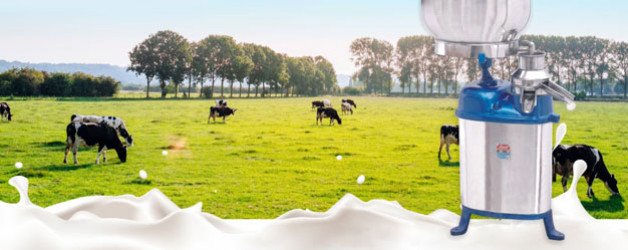
Skimmed Cream Separator For Dairy Farming
Are you looking for a cream separator for your dairy? Are you planning to buy one for your own use at home? In that case, you should know what features are available and which cream separator can be purchased for the same amount in your local market. It is always good to buy a good quality cream separator in order to reduce milk wastage. Here we will give you some tips to choose a cream separator according to the size of your farm or business.
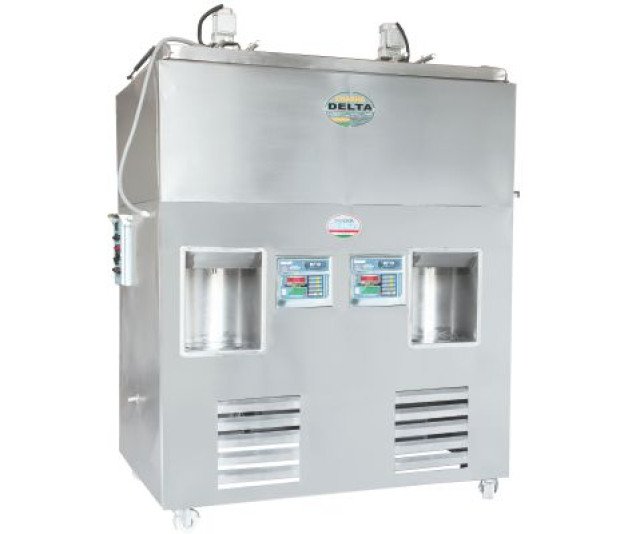
A cream separator is an automated centrifugal machine that automatically separates milk into two categories: skimmed and cream. Prior to this machine being used, separation was usually done by hand. Some farmers still milk some cows, usually by hand and separate the cream from the milk by using a cream separator. Some of them use other methods to separate cream from milk, but milk still remains in a big amount. Therefore, a large amount of milk has to be disposed off every day in most of the dairy farms.
For such a large amount of milk to be disposed off, it is obvious that a large machine is required to separate the cream from the milk and hence, a small cream separator bought in Delhi can solve this problem for you. If you buy a small cream separator machine for your own use, you will have to purchase a minimum of three to four weeks supply of the machine. The amount of cream to be separated will depend on how many cows you have in your dairy. A manual cream separator does not allow you to set the quantity to be separated. However, it is more convenient than using a manual cream separator.
Small cream separator machines can be easily purchased online, from various websites. All the manufacturers or suppliers of cream separators have their web sites where they display their products and also provide details about their products. Many of the manufacturers are selling their products through online stores these days. You can visit their web sites to check out the variety of products available and the price quotes of each product.
Small cream separator used to separate cream from milk requires a minimum amount of cleaning and heating. They are best suited for a small dairy farm and do not require too much maintenance. Skimmed cream is separated in a stainless steel bowl. Large cream separator machines are used to separate skimmed cream from regular cream. Small ones are meant for use with skimmed cream only, while large ones are useful for separating cream from milk as well as other milk products.
Skimmed cream is usually separated into three sections – cream, whey and lactic. All the ingredients in the cream are separated by using a cream separator machine. Skimmed cream is a good example of low-priced but efficient dairy farm equipment. No matter what the size of your farm is, or how big your business is, you can make use of a cream separator to keep your cream separate from milk and other dairy products.
For more information write to us at info@chadhasales.com or call us at +91 7864006400
See complete demonstration of Home use Cream Separator Video: https://www.youtube.com/watch?v=3OO-UX84hr8&t=1s