Is Milking Machine Good for Cows? Busting Myths about the Milking Machine
Short answer, YES!
In India, we often tend to ruminate if the milking machine hurts our cows. That is simply not true.
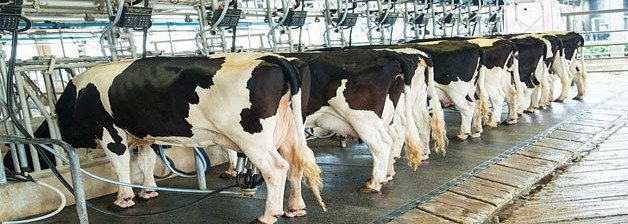
Milking machines are a fast and efficient way to milk your livestock. They are one of the recent innovations in dairy technology.
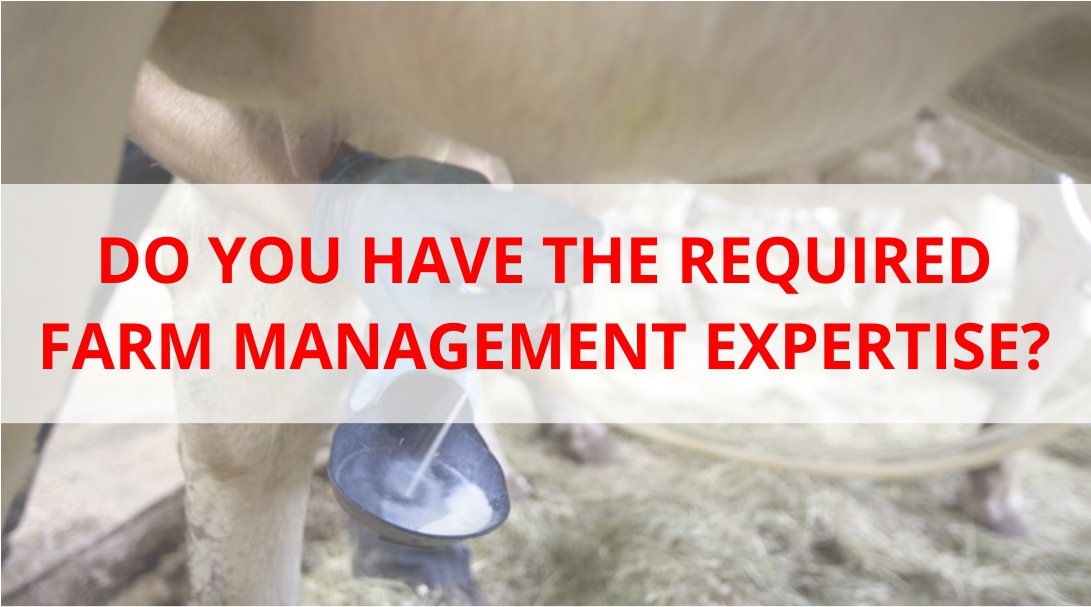
They will not hurt your cow. The teats come in contact with a soft rubber that is inside the attachments. They are not met with the rigidity of the metal or the pressure of the vacuum. Instead, it gives a soft suckling pressure to the cow making the process feel more natural. The faster this process is, the lesser the strain is on the teats.
Cleaning the rubber regularly will ensure that it remains hygienic and satisfactory for use on your cows. You also have to change the rubber inside yearly to keep up the quality of the automatic milking process. This is done so that dangerous bacteria do not stick inside the tubes and transfer to your cows. This cow milking machine works on electricity and requires a bit of investment from dairy farmers. However, these are sure to be a good investment as they completely elevate the hygiene of the milking process and reduce the chances of the milk getting contaminated by human hands
Additionally, The milking machine set a routine for the cows. They have uniform pressure and movement that the cow can become habitual to, thereby reducing any distortion in the milking process. When the cows are milked by hand, they can be hurt by our fingernails and also become disturbed by the changing speeds of different milkers. There’s a chance that hired hands for milking cows also may be inexperienced and unfocused during the process, causing even more discomfort to the cows.
If your cow feels distressed while using the cow milking machine, it could possibly be because you have purchased a counterfeit and low-quality milking machine. Such milk machines have displaced rubber linings and uneven vacuum pressure. This can damage a cow’s teats over time.
In another case, your cow may be old and afraid of this new process. This will cause much distress to her. Thus, you should start using these machines on a newer generation of cows and make them comfortable with the process from the beginning.
It is not normal for the cows to bleed during the process. If they do, that can indicate a disease such as mastitis.
In conclusion, switching to a cow milking machine will not hurt your cows but may hurt your pockets.
Topics for Next Month:
- How you can analyze your milk quality within 30 seconds
- This is how you can reduce manpower & grow your dairy business
- Step by Step guide: Using our milk analyzer

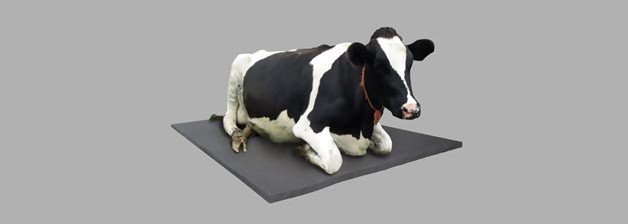









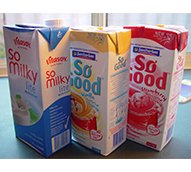
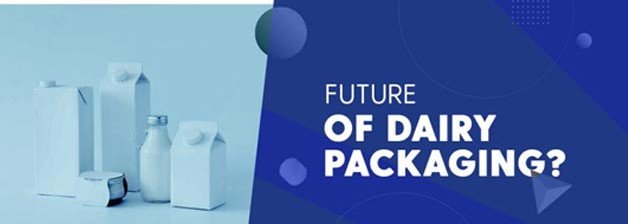
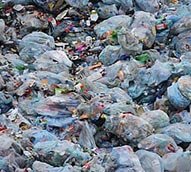


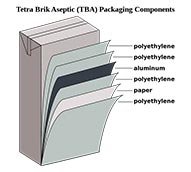 To understand Tetra PAK we should know it is made up of 14% of plastic sheets 6% bio plastic cap, if the Tetra carton is with a cap, 75% is the cardboard and 5% aluminium is used to make a Tetra Pak. Once the Tetra Pak cartons go to the recycling facility they are broken into their base material which is 75% is cardboard paper which is technically they are able to separate from the Tetra PAK and then it is recycled into paper products. Only the cardboard portion is recycled into paper product the other layer which is a combination of aluminium and plastic mixture which is called poly aluminium, are bound together must be down cycled into single used items then it can be recycled so this poly aluminium is now down cycled into single used items which is used for landfill like floor mats, hard plastic items, flooring, plastic panels etc. Normally, we hold the product to see if it is recyclable or not that is not important. The important thing is the product which is in our hands. If it is made from recycled material then it will be good for the environment as Tetra Pak currently does not use recycled paper for the manufacturing of their packaging material. They used virgin plants / trees / cellulose for the creation of their new carton.
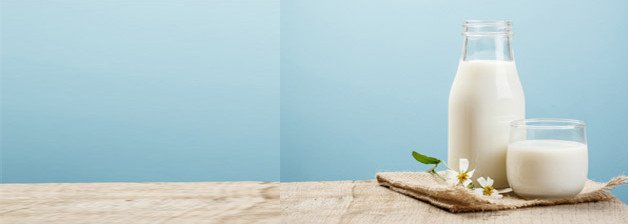
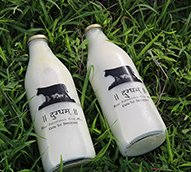
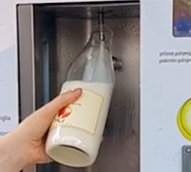
 Especially when we talk about consuming milk in a glass bottle it is far safer than the plastic pouches because the plastic comes with the risk which includes chemical pitching this means that the chemical will leak into the milk and pose a health risk. There are a lot of studies which are into the directions that because of the plastic use in food it can lead to cancerous diseases. The glass milk bottles do not have any health concerns. These glass bottles are made from natural material such as sand and limestone; this is the only material which FDA classifies as fully safe. Glass bottle is made of 100% natural composition and the glass is chemically innered that meaning it can not be made from any reactive chemicals. The glass bottles of milk are much easier to use in comparison to plastic pouches. It is difficult to handle pore with pouches in comparison to glass milk bottles. Plastic pouches are also nowadays under suspicion of adulteration where it has been seen that people are melting the plastic pouch and inserting water and diluting the milk so their question of reliability in plastic pouches are also there and the glass bottle is completely safe. There are certain disadvantages also of glass milk bottles the foremost and most important is the glass bottle is fragile and it can break down and it is not as flexible as plastic pouches. Once it is broken then it means it is useless and also the milk inside goes waste. Glasses are also susceptible to have sharp edges if it can break it can hurt someone. Glass milk bottles are heavier and take much more space in comparison to plastic pouches where they can be stacked one upon another easily. The other disadvantage of glass bottles could be that the seal of the glass bottle may not be hygienic reusing it again and again will be an expense on the consumer and to the dairy entrepreneur. Further the transparent glass bottle can result in degradation of milk when it is exposed to light for the milk if the material is translucent like the plastic pouches it gives advantage for the safekeeping of milk.